|
|
| Town of Seneca |

Office: 526-5251, ext.31 Fax: 526-6981 Cell: (585)329-2136
Office Hours: Monday thru Friday 8:00am-4:00pm
Building permit, variance, and other zoning applications are available by selecting the Forms tab above and choosing in the Zoning section.
Building Permits
Our office fields several calls each week regarding the need for building permits. Most requirements for permits are mandated by New York State and enforced by local municipalities. While the requirement for obtaining a permit may seem unnecessary, a permit is the mechanism for ensuring your project, whether personally completed or hired out, has an independent inspection to help ensure the safety of you, your loved ones, and your property. Below are some examples of work that does/does not need a permit. If you are unsure of the need for a permit, please contact our office prior to beginning work and we will verify if a permit is needed.
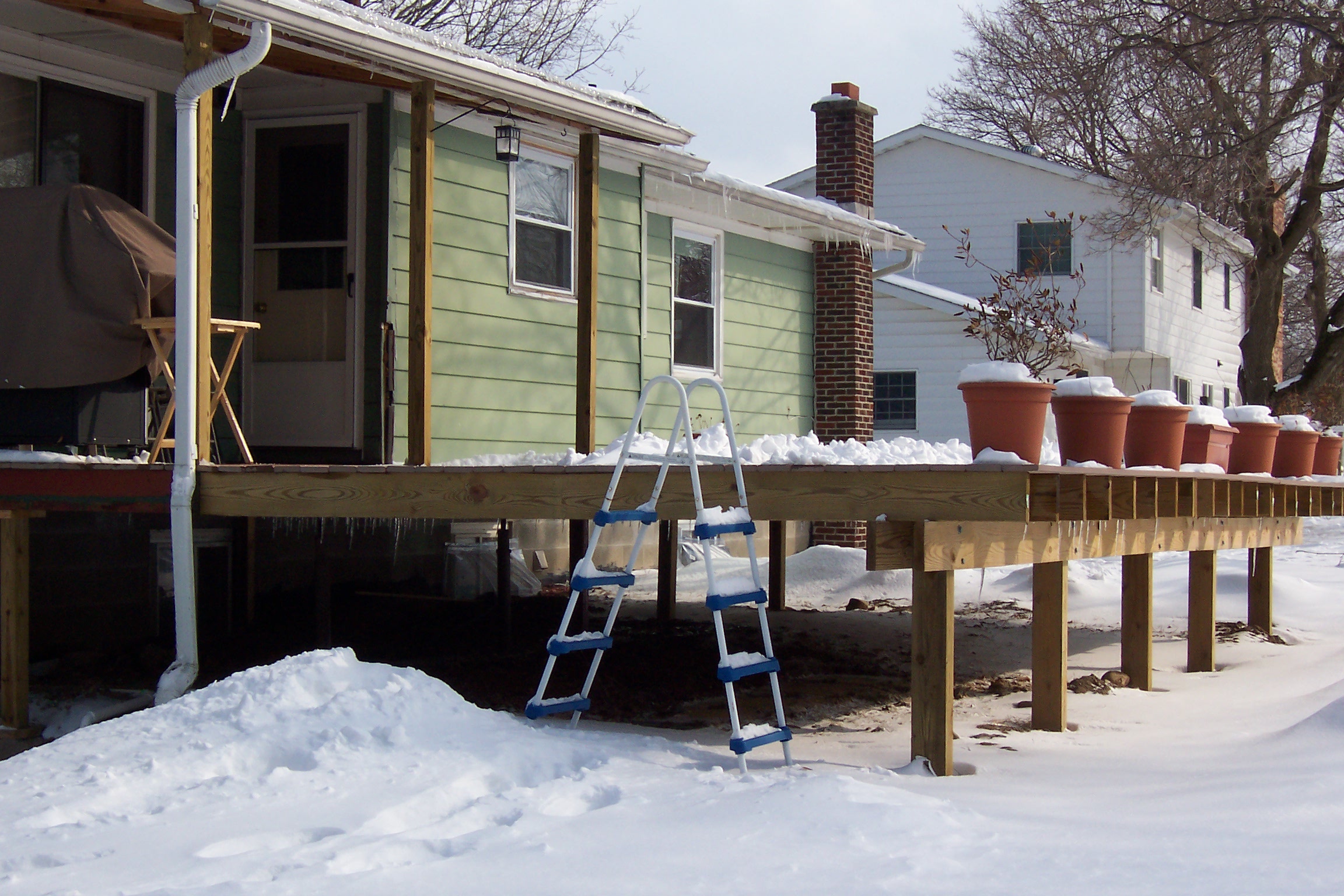
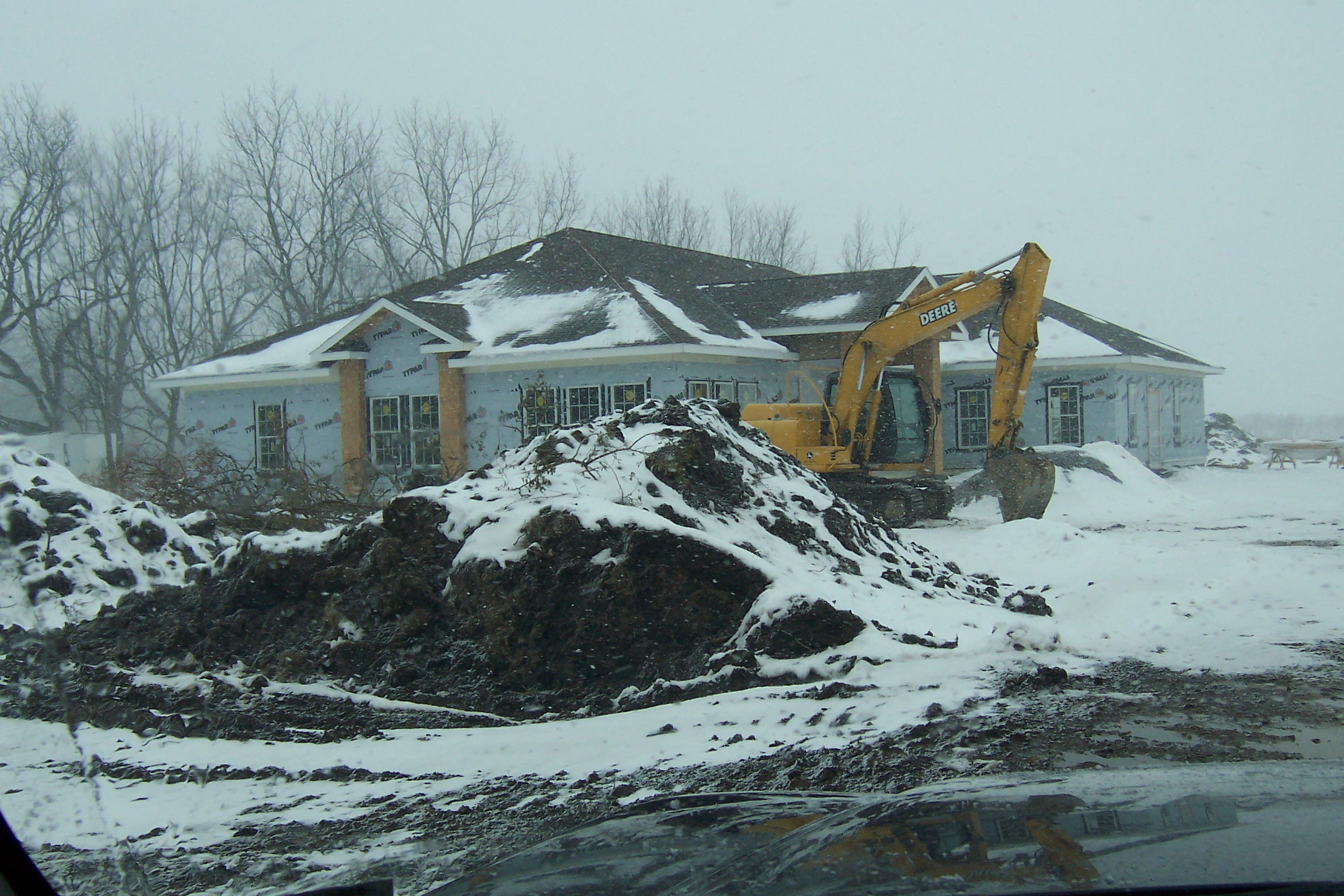
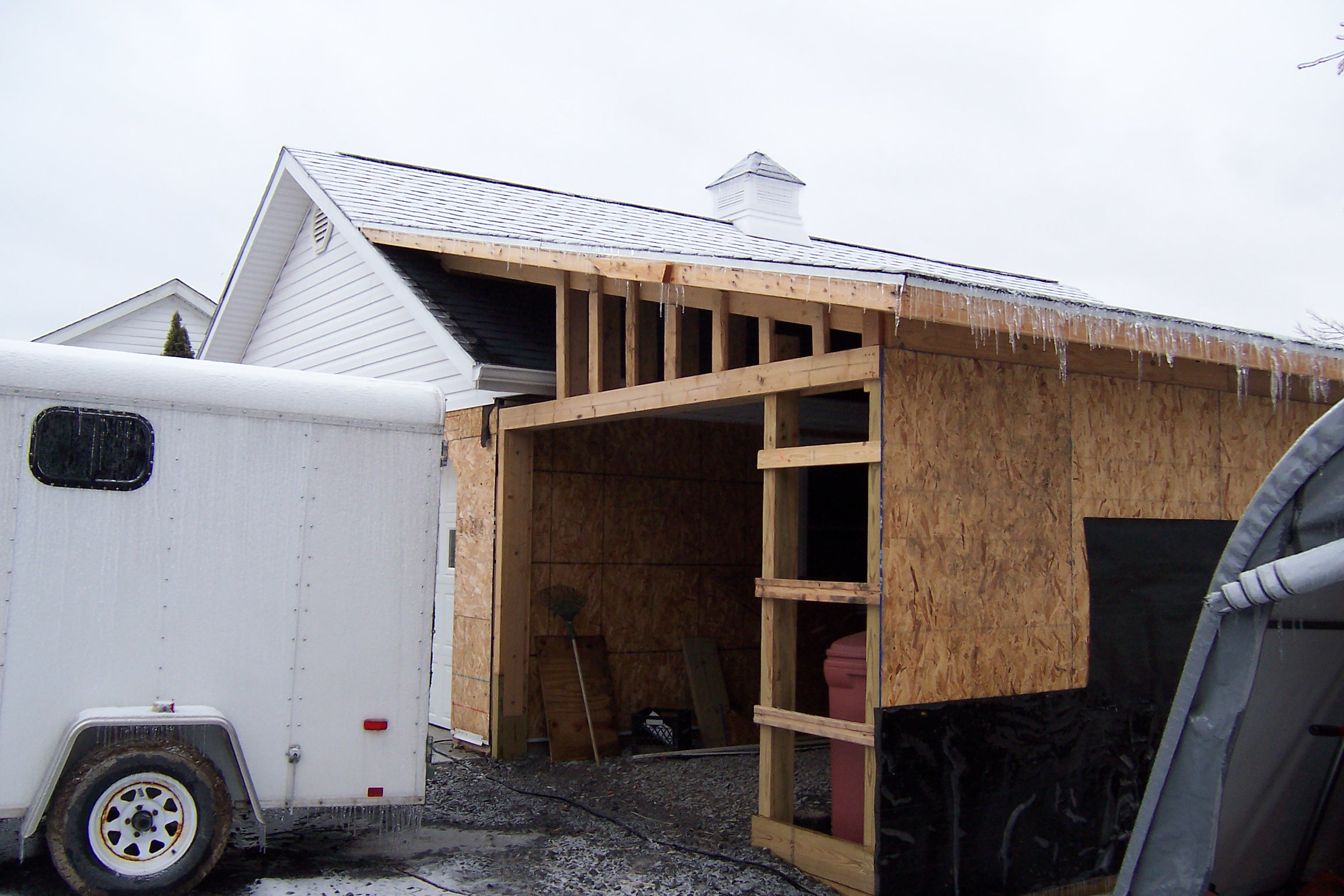
Building permits are required for all structural work done to the interior or exterior of any building on a lot. Some examples are additions, decks, porches, removing or repairing wall studs or floor/ceiling joists, and re-framing windows and doors. All storage buildings, either permanent or temporary require a building permit. All septic system repairs or replacements also need a building permit.
Mechanical equipment replacements such as a furnace, woodstove, boiler, or water heater require a building permit.
Aesthetic repairs and upgrades such as painting, carpeting, wallpapering, drywall repair or replacement, and siding are some examples of items that do not require a permit. Replacement windows and doors going into existing openings with no framing changes do not require a permit. Sidewalks, block patios, landscaping, and driveways also do not require a building permit.
Winter months
As we enter into the winter months many residents utilize wood, coal, or pellet, stoves and fireplaces as heat sources for rooms or entire homes. These "solid fuel" devices are a great source of warmth for your family. Because these stoves are often not utilized throughout the warm months, routine cleaning and inspection of the units and chimneys is forgotten, especially when the first cold day hits and you wish for the extra heat. Please ensure that you inspect, or have a professional inspect your solid fuel device and chimney before firing it for the first time of the season. Please also remember to maintain both throughout the heating season. A great year is a year with no calls for house fires, especially preventable fires from the lack of proper maintenance of a heating device.
Carbon Monoxide Alarms
Carbon Monoxide is a colorless, odorless gas that can be produced from gas stoves, gas heaters, wood stoves, coal stoves, pellet stoves, gas water heaters, or any device which uses a solid, liquid, or gas fuel source. Even decorative candles produce carbon monoxide. Every year hundreds of people are sickened or die needlessly from carbon monoxide poisoning. Carbon monoxide poisoning often mimics flu symptoms.
New York State adopted Amanda's Law which went into effect in 2010. This law requires that carbon monoxide (CO) alarms be installed in nearly every dwelling unit in the state. A dwelling unit can be a house, apartment, condominium, townhouse, etc. The number of alarms and placement differ from one dwelling unit to another. Residents may call our office and will we visit your dwelling and help determine where these alarms are required.
The cost of a battery operated or plug in CO detector is minimal and may easily safe the life of you, a loved one, or a family pet.
A printable pamphlet is also available to help answer your questions by clicking the link below.