Zoning/Zoning Map
|
Office: 526-5251, ext.31 Fax: 526-6981 Cell: (585)329-2136
Office Hours: Monday thru Friday 8:00am-4:00pm Building permit, variance, and other zoning applications are available by clicking here. Building Permits Our office fields several calls each week regarding the need for building permits. Most requirements for permits are mandated by New York State and enforced by local municipalities. While the requirement for obtaining a permit may seem unnecessary, a permit is the mechanism for ensuring your project, whether personally completed or hired out, has an independent inspection to help ensure the safety of you, your loved ones, and your property. Below are some examples of work that does/does not need a permit. If you are unsure of the need for a permit, please contact our office prior to beginning work and we will verify if a permit is needed. Building permits are required for all structural work done to the interior or exterior of any building on a lot. Some examples are additions, decks, porches, removing or repairing wall studs or floor/ceiling joists, and re-framing windows and doors. All storage buildings, either permanent or temporary require a building permit. All septic system repairs or replacements also need a building permit. Mechanical equipment replacements such as a furnace, woodstove, boiler, or water heater require a building permit. Aesthetic repairs and upgrades such as painting, carpeting, wallpapering, drywall repair or replacement, and siding are some examples of items that do not require a permit. Replacement windows and doors going into existing openings with no framing changes do not require a permit. Sidewalks, block patios, landscaping, and driveways also do not require a building permit. Summer Months As we enter summer and the days warm many think about beating the heat with a new pool. New York State regulations have changed dramatically during the past 5 years. Any pool, including hot tubs and temporary inflatable pools, which are capable of holding more than 2ft of water require a building permit. These pools may also require a barrier, electric inspection, and alarm depending on the size and style. Store personnel often do not know New York regulations and are not aware a permit may be required. Please contact the Zoning Office before purchasing a pool or hot tub of any kind. |
Jerry Hoover - Zoning & Code Enforcement Officer
In order to view the zoning map, you will need to Adobe Acrobat Reader software which can be downloaded for free.
Town Of Seneca Zoning Map 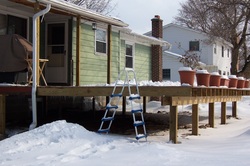  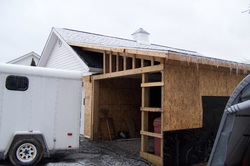 Carbon Monoxide Alarms
Carbon Monoxide is a colorless, odorless gas that can be produced from gas stoves, gas heaters, wood stoves, coal stoves, pellet stoves, gas water heaters, or any device which uses a solid, liquid, or gas fuel source. Even decorative candles produce carbon monoxide. Every year hundreds of people are sickened or die needlessly from carbon monoxide poisoning. Carbon monoxide poisoning often mimics flu symptoms. New York State adopted Amanda's Law which went into effect in 2010. This law requires that carbon monoxide (CO) alarms be installed in nearly every dwelling unit in the state. A dwelling unit can be a house, apartment, condominium, townhouse, etc. The number of alarms and placement differ from one dwelling unit to another. Residents may call our office and will we visit your dwelling and help determine where these alarms are required. The cost of a battery operated or plug in CO detector is minimal and may easily safe the life of you, a loved one, or a family pet. A printable pamphlet is also available to help answer your questions by clicking the link below. CO Pamphlet |